
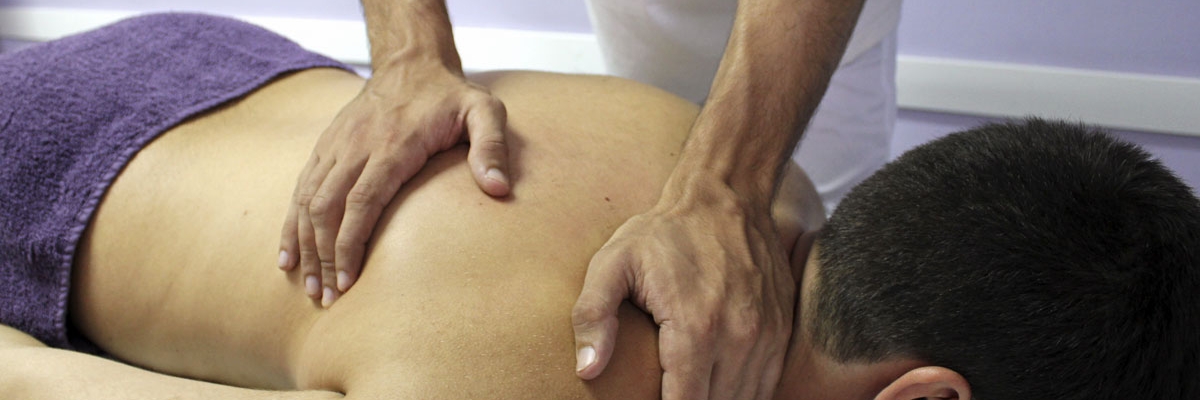
Osteopathy
Gentle manual therapy that releases tension, improves circulation and relieves pain from head to toe.
How Osteopathy Can Help
- Back & neck pain
- Sciatica
- Frozen shoulder
- Arthritic & rheumatic pain
- Migraines & neck-related headaches
- Minor sports injuries
- Muscle spasms
- Whiplash
Osteopathy is a form of manual medicine that focuses on total body health by releasing tissue tension and restoring balance to the musculoskeletal framework. Our osteopaths use a combination of massage, stretching and joint manipulation techniques to relieve pain — relaxing muscles, improving circulation and calming the nervous system.
Cranial osteopathy is a refined, subtle form of osteopathic treatment that uses very gentle manipulative pressure to encourage the release of stresses throughout the body, including the head. It can help with a wide range of conditions in people of all ages, from newborn babies to the elderly.
What can osteopathy help with?
Osteopaths treat the whole person, not just the condition. Common problems that may be helped include:
- Acute and chronic low back pain
- Acute and chronic neck pain
- Sciatica and neuralgia
- Frozen shoulder and shoulder girdle pain
- Arthritic and rheumatic pain
- Osteoarthritis of the hip or knee
- Migraine and neck-related headaches or dizziness
- Minor sports injuries, muscle spasms and general aches
- Tennis elbow, knee pain and plantar fasciitis
- Whiplash-associated disorders
How safe is osteopathy?
Osteopathy is a regulated profession. The title “osteopath” has been protected by law since 2000, and every osteopath in the UK must be registered with the General Osteopathic Council (GOsC). Only practitioners who have shown they are safe and competent are admitted to the register, and all osteopaths must hold medical malpractice insurance and follow a strict code of conduct.
What happens at my first consultation?
Your first session begins with a detailed case history — covering your main problem, any previous injuries and your general health — followed by a careful physical examination, before your osteopath agrees a treatment plan with you. In more complex situations, investigations such as MRI, CT or ultrasound scans, or urine or blood tests, may be needed to understand the problem fully. Please bring any test results you have, along with details of any medication you take.
You may be asked to undress to your underwear so the practitioner can view your whole spine — gathering as much relevant information as possible is an important part of the assessment. Gowns are available on request, or feel free to bring a pair of shorts and a vest top.
How long does a course of treatment last?
That depends on the nature and complexity of the problem. As a general rule, recent problems resolve fairly quickly — often within one to three treatments — while longer-term, chronic conditions take longer. Your osteopath will discuss your individual situation at your first appointment, and we will never keep you coming for longer than necessary.
Health insurance and cash plans
Osteopathy sessions may be covered by your health insurance or cash plan. We recommend confirming eligibility with your provider beforehand — and we are always happy to help you check.
What Clients Say About Our Osteopathy
“Reasonably priced osteopathy in this part of London is few and far between. The osteopath is a talented and courteous young man who fixed me up in a couple of sessions. Customers also get 10% off supplements in the pharmacy. The treatment rooms are in an impressively large space below the pharmacy.”— Daniel
Osteopathy Near You
Ready to Book Your Osteopathy?
Secure your preferred time — evenings and Saturdays included. New clients get 20% off their first treatment this month.